If there is one experience that sets Yellowstone National Park apart from every other destination on earth, it is the wildlife. Nowhere else in the lower 48 states can you witness grizzly bears, gray wolves, bison herds, bull elk, moose, pronghorn, and bald eagles all in a single day — in their natural wild habitat, living exactly as nature intended.
Yellowstone wildlife watching is not just an activity. It is the reason millions of visitors make the journey to this remote corner of Wyoming every single year. And from Old Faithful RV Park in Cody, Wyoming — just 32 miles from the East Gate of Yellowstone National Park — you are perfectly positioned to experience the greatest wildlife show on earth, season after season.
Whether you are planning your first Yellowstone adventure or your fifteenth, this complete season by season guide will help you know exactly what to expect, where to go, and when to be there.
Yellowstone Wildlife Watching — Know the Basics First
Before diving into the seasons, here are the essential wildlife watching rules that every Yellowstone visitor needs to know:
Distance rules are non-negotiable. In Yellowstone National Park you are required to stay at least 100 yards from bears and wolves and at least 25 yards from all other wildlife including bison and elk at all times. These are federal regulations, not suggestions.
Go early and stay late. Wildlife is most active at dawn and dusk according to the National Park Service, this is when animals are out to feed and it is the best time to see wildlife in Yellowstone. Early mornings are a great time to spot moose, deer, wolves, bears, and elk.
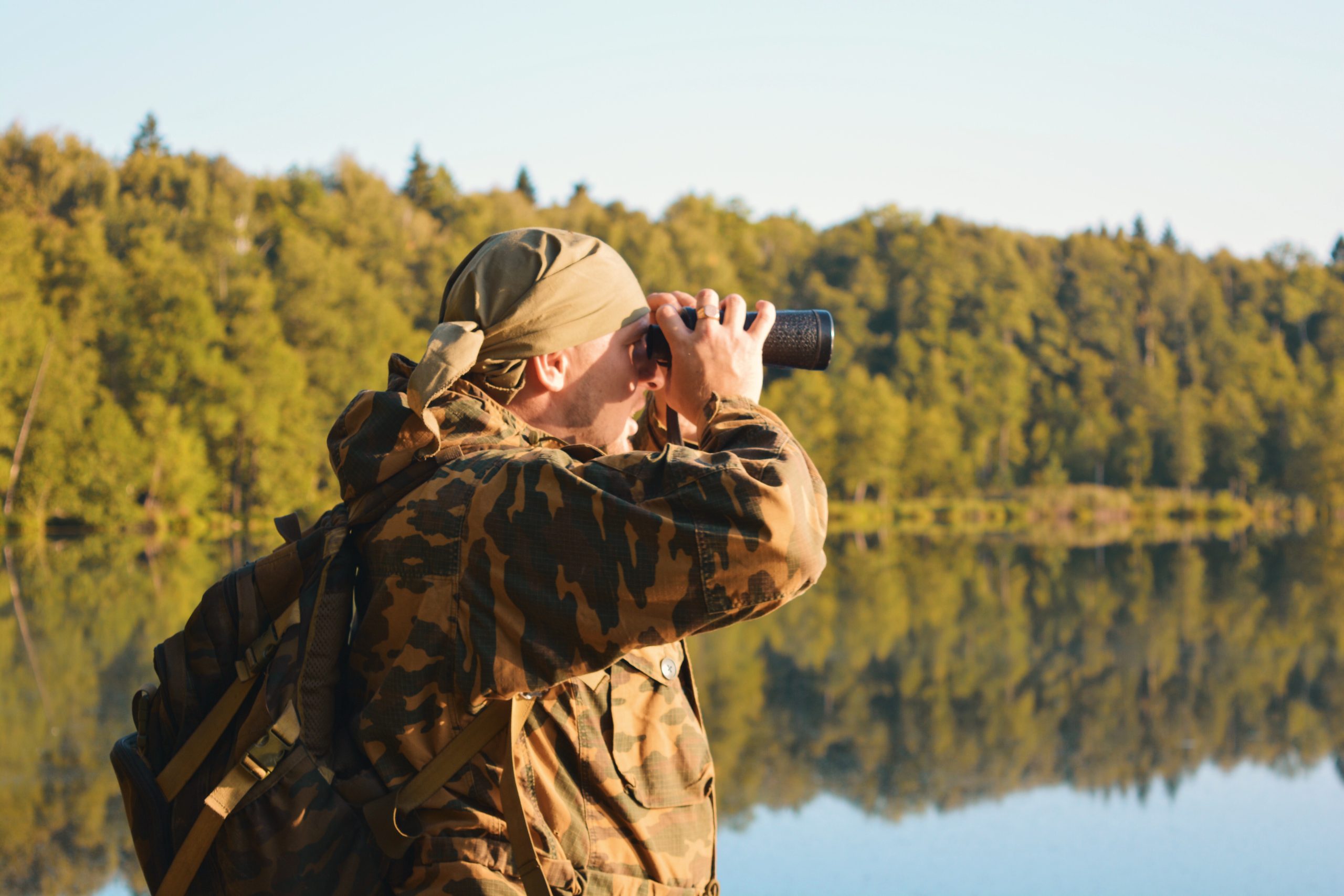
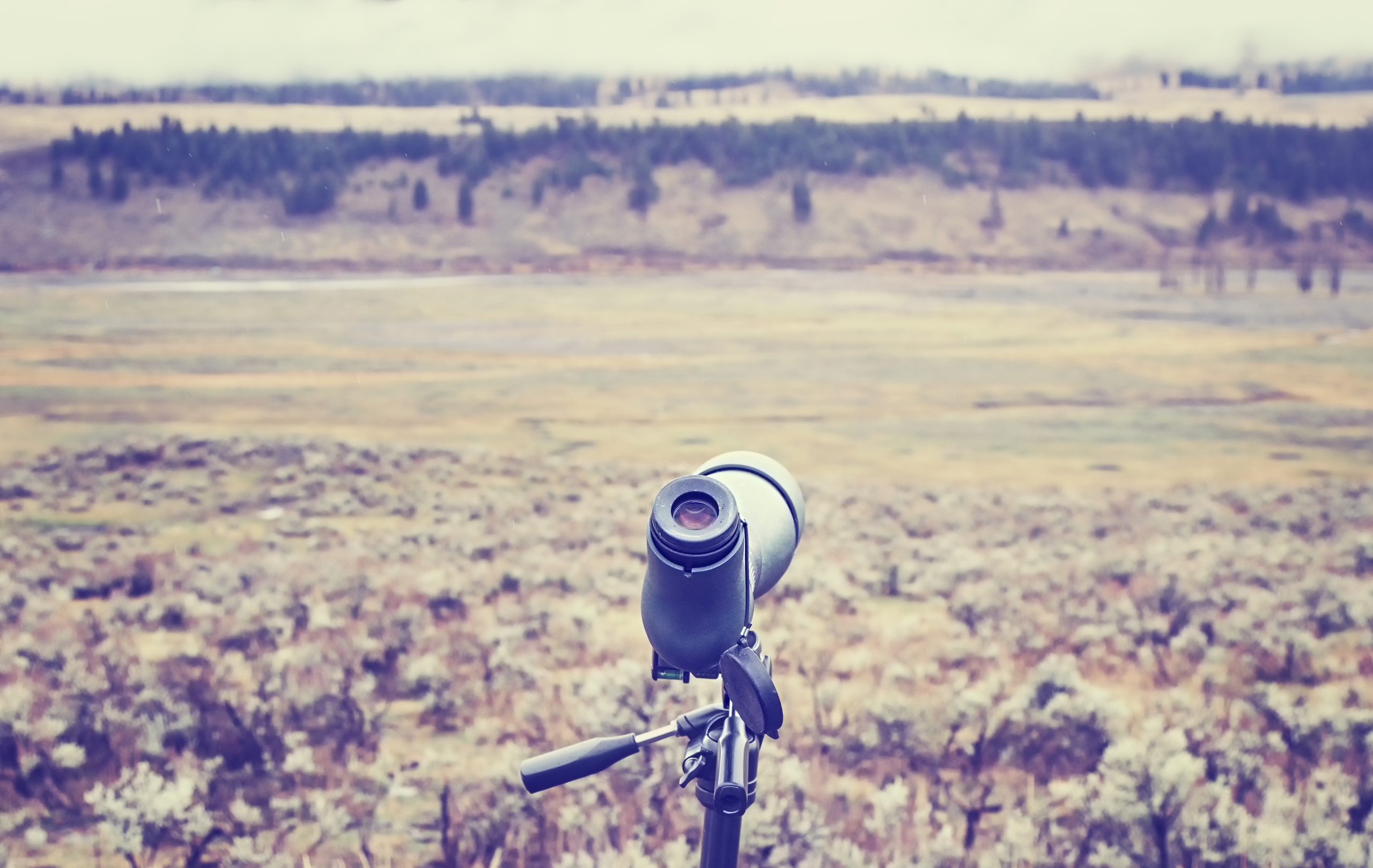
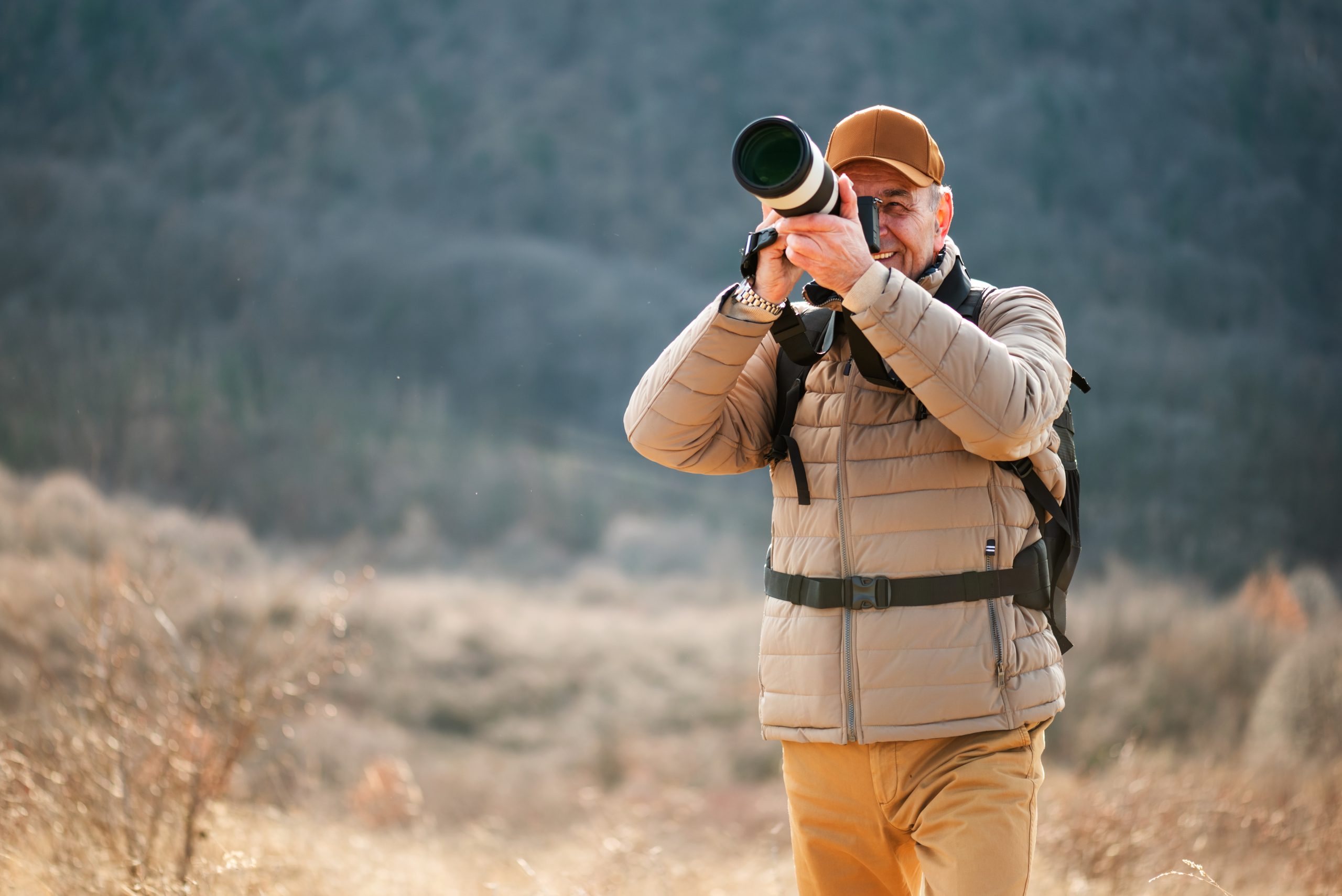
Bring the right gear. Binoculars and a camera with a long zoom lens are essential for Yellowstone wildlife watching. The animals are wild and the distances are significant, good optics make all the difference between a distant dot and a breathtaking sighting.
Talk to the rangers. Park rangers have up to date information on the most recent wildlife sightings in the area and can point you in the right direction in real time. Stop at any visitor center and ask where the animals have been spotted recently.
Always carry bear spray. Bear spray is non-negotiable every single time you leave your vehicle or campsite in the greater Yellowstone region. If you are not familiar with bear spray or how to use it, our complete Bear Safety in Yellowstone Country guide covers everything you need to know before your trip.
Be patient. Wildlife watching in Yellowstone rewards those who slow down and pay attention. The animals are truly living wild and free — they move on their own schedule, not ours. Resist the urge to rush from one location to the next. Pull over, scan the meadows with your binoculars, stay quiet and still, and give the wildlife time to reveal itself. Some of the most magical Yellowstone moments happen to those who simply wait.
The Best Wildlife Watching Spots Near the East Gate
Guests staying at Old Faithful RV Park have direct access to some of the finest Yellowstone wildlife watching territory in the entire park via the East Gate. Here are the top spots to focus on:
Hayden Valley Hayden Valley is a premier destination for seeing bison, bears, wolves, and waterfowl. Sitting in the heart of the park just a short drive from the East Gate, Hayden Valley is one of the most productive wildlife watching locations in all of Yellowstone. Pull over, scan the meadows with your binoculars, and give yourself time — the rewards here are extraordinary.
Lamar Valley Lamar Valley is nicknamed the “American Serengeti” due to the rich variety of wildlife that live, hunt, mate, and migrate through the scenic river gorge. This is ground zero for wolf watching in Yellowstone and one of the most spectacular wildlife watching destinations anywhere in North America.
Yellowstone Lake Area The Yellowstone Lake area is excellent for spotting ospreys, bald eagles, and otters. The lake itself is a stunning backdrop for wildlife watching and well worth a full morning of exploration.
Mammoth Hot Springs Mammoth Hot Springs is excellent for spotting elk, bison, and often bears. The elk here are famously comfortable around people and are often found lounging right around the visitor center, though always remember they are wild animals and should never be approached.
Mud Volcano Area The Mud Volcano area offers opportunities to view bears, elk, and bison amidst dramatic geothermal activity. The combination of steaming thermal features and roaming wildlife makes this one of the most visually dramatic wildlife watching experiences in the park.
Spring Yellowstone Wildlife Watching — May & June
Spring is one of the most magical times for Yellowstone wildlife watching and it coincides perfectly with our season opening in May at Old Faithful RV Park. Book your site or cabin now before the best spots fill up and experience Yellowstone in one of its most breathtaking seasons.
Spring is a great time for wildlife watching in Yellowstone. Bears and their cubs emerge from hibernation, as well as newborn bison, elk, and pronghorn calves. Beginning in March you can typically spot bears grazing in roadside meadows until warmer temperatures push them to higher elevations.
In April bison begin calving in the Lamar Valley. These little calves, called Red Dogs for their reddish coats, are adorable as they get their bearings and follow their mamas around on their young wobbly legs.
In May moose and pronghorn calving begin and the wolf pups emerge from the den. Watching a wolf pup take its first tentative steps into the world is one of the most extraordinary wildlife experiences Yellowstone has to offer.
Spring delivers exceptional wildlife watching during baby season with the lowest accommodation prices, though weather remains unpredictable and some roads stay closed. Come prepared for variable conditions and you will be richly rewarded.
Best Spring Wildlife Watching Locations: Lamar Valley for wolves and bears, Hayden Valley for grizzlies, Mammoth Hot Springs for elk
Summer Yellowstone Wildlife Watching — July & August
Summer brings the longest days and the most reliable access to all areas of the park — making it the most popular season for Yellowstone wildlife watching and the busiest time of year at Old Faithful RV Park.
The busy Yellowstone summer tourist season coincides with the most active time for many of Yellowstone’s mammals and birds. Visitors have excellent chances of seeing bears, wolves, bison, elk, and a variety of waterfowl.
The warmer months of July and August bring the bison rut. While the mating season isn’t a spectator sport, watching the bulls battle one another is quite something. Always stay in your vehicle when bison are nearby — these animals are immensely powerful and completely unpredictable.
One important note for Yellowstone wildlife watching in the summer: summer crowds tend to push animals further away from populated areas. The key to great summer wildlife watching is to be out early — on the road before sunrise and in position at your chosen viewing area as the light comes up. By mid-morning the crowds arrive and the animals move off. Early risers are richly rewarded in Yellowstone in summer.
Best Summer Wildlife Watching Locations: Hayden Valley at sunrise for bison and bears, Lamar Valley for wolves, Yellowstone Lake for eagles and ospreys
Fall Yellowstone Wildlife Watching — September & October
Fall is widely considered the single best season for Yellowstone wildlife watching — and it is easy to understand why.
Fall is one of the most magical times to visit Yellowstone. The crisp air, vibrant fall colors, and fewer crowds make it a perfect time for wildlife watching or seeing popular sites without the crowds.
The cooler temperatures of fall actually encourage more wildlife to be active throughout the day — as opposed to the heat of summer when many animals strictly come out at dusk and dawn. This means dramatically more wildlife watching opportunities throughout the entire day rather than just the golden hours.
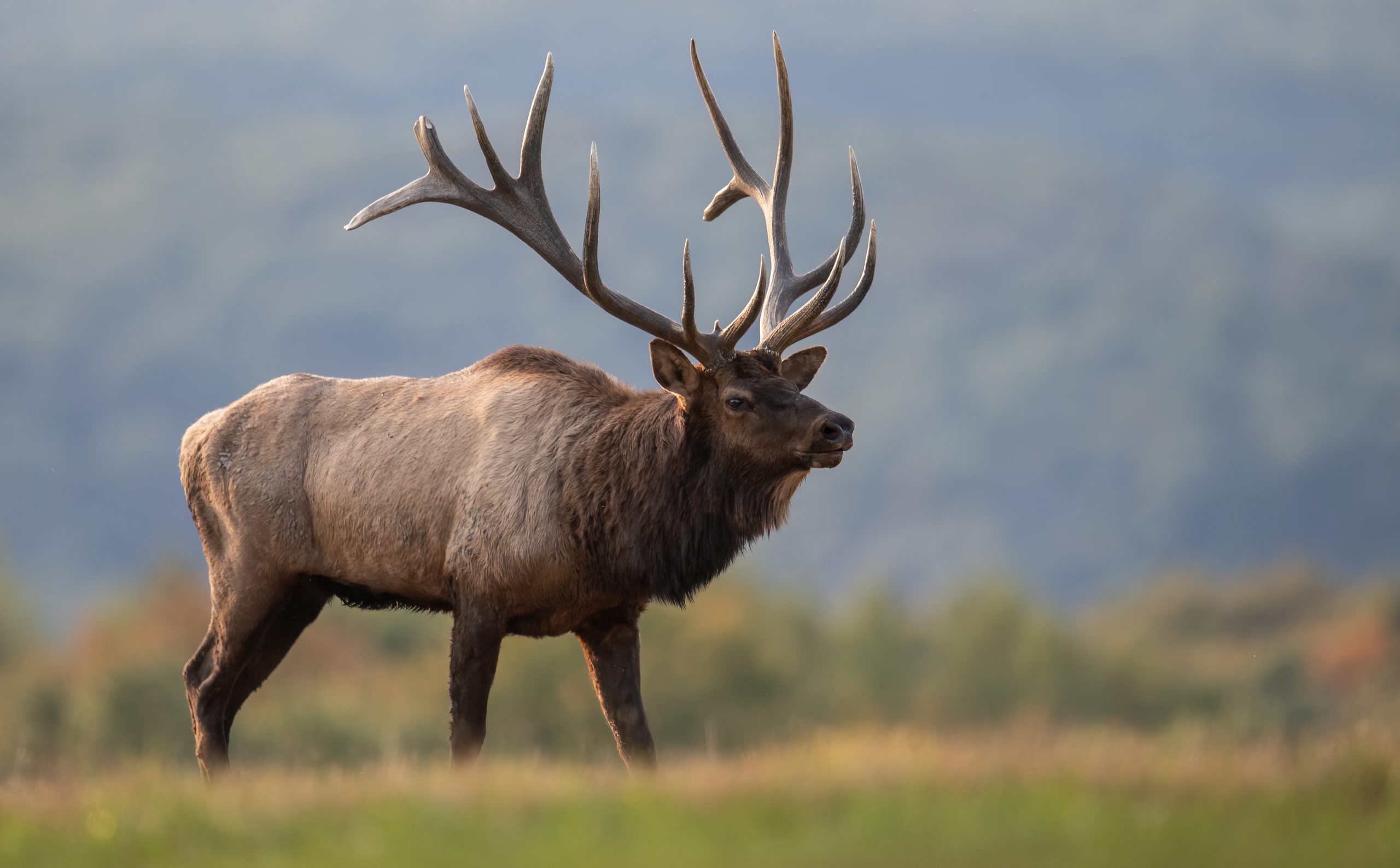
Fall is elk rutting season and you will hear the distinctive bugle of bull elk echoing through the valleys. The sound of a bull elk bugling at dawn across a frost-covered meadow is one of the most spine-tingling wildlife experiences in all of North America.
Many native berries ripen throughout September which attracts grizzly and black bears who depend on chokecherries, western serviceberry, and hawthorn berry to fatten up in preparation for hibernation. Fall bear watching in Yellowstone is world class.
Visitor numbers drop by 40% compared to peak summer in September, reducing wait times at major attractions from 90 minutes or more down to 20 to 30 minutes. Less traffic means more peaceful viewing and more relaxed Yellowstone wildlife watching.
Best Fall Wildlife Watching Locations: Lamar Valley for wolves and bears, Hayden Valley for elk rut, Madison River area for waterfowl migration.
Yellowstone’s Wildlife — Who Will You See?
Here is a quick guide to the iconic species you can expect to encounter on your Yellowstone wildlife watching adventure:
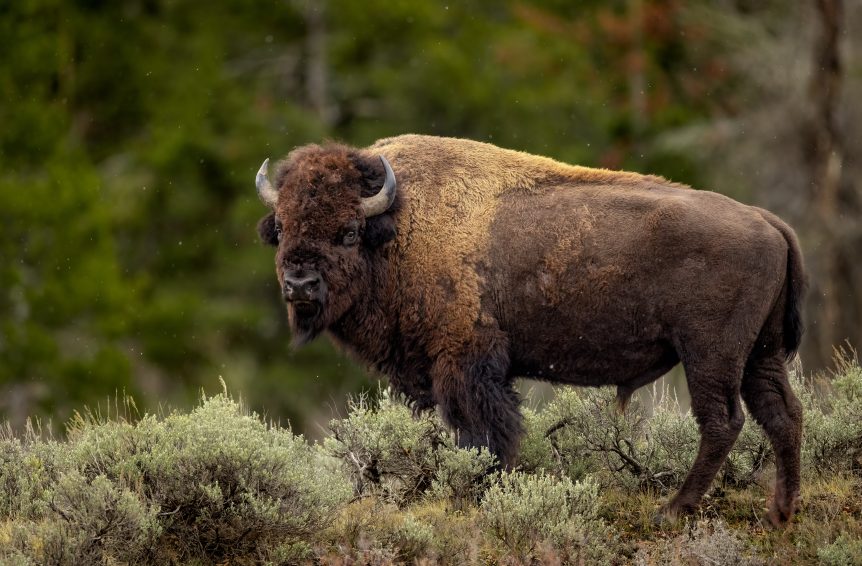
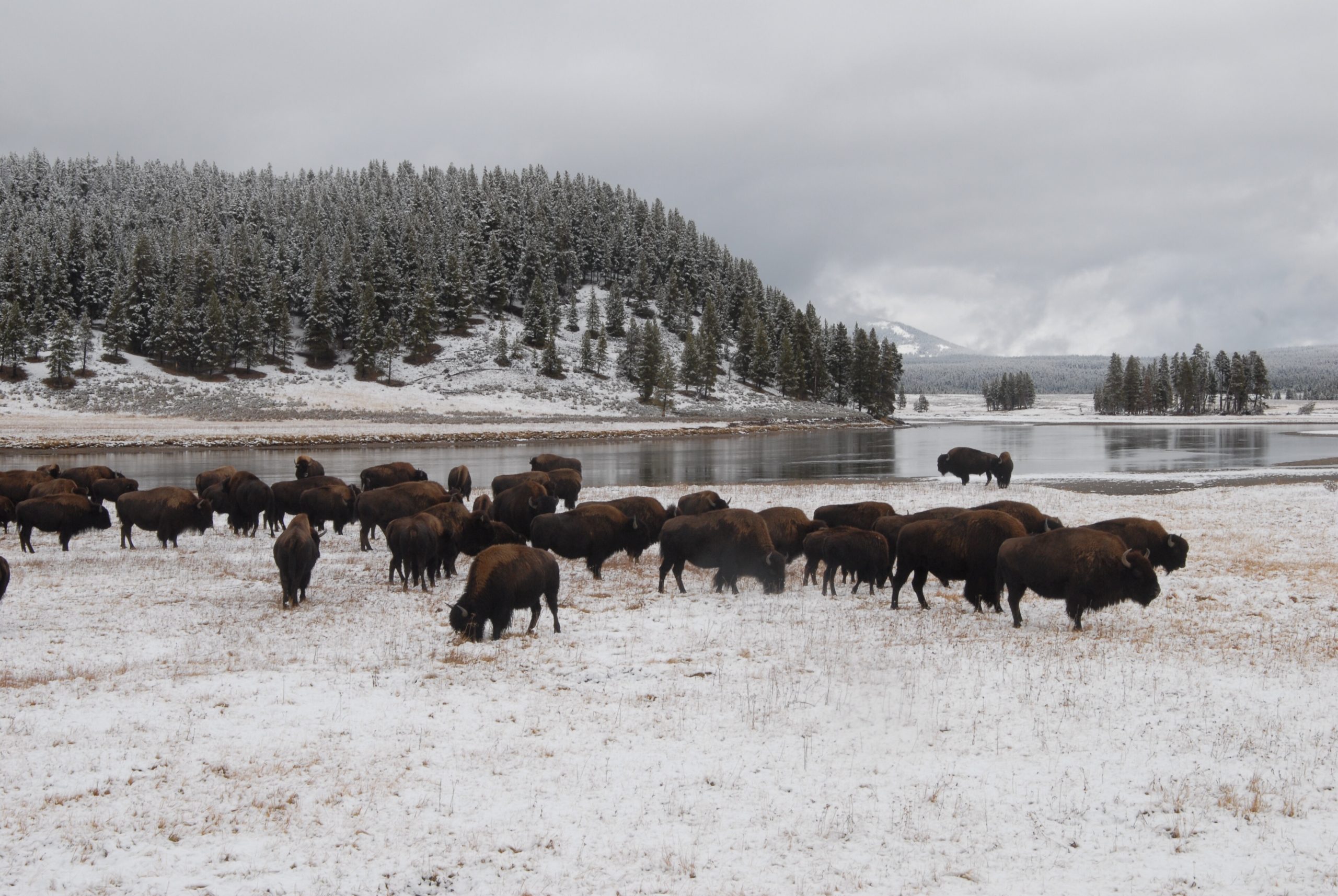
American Bison The undisputed symbol of Yellowstone. Bison wander all over the park and can be viewed all year long. Yellowstone is home to one of the largest wild bison herds in North America and encounters are nearly guaranteed on any visit to the park.
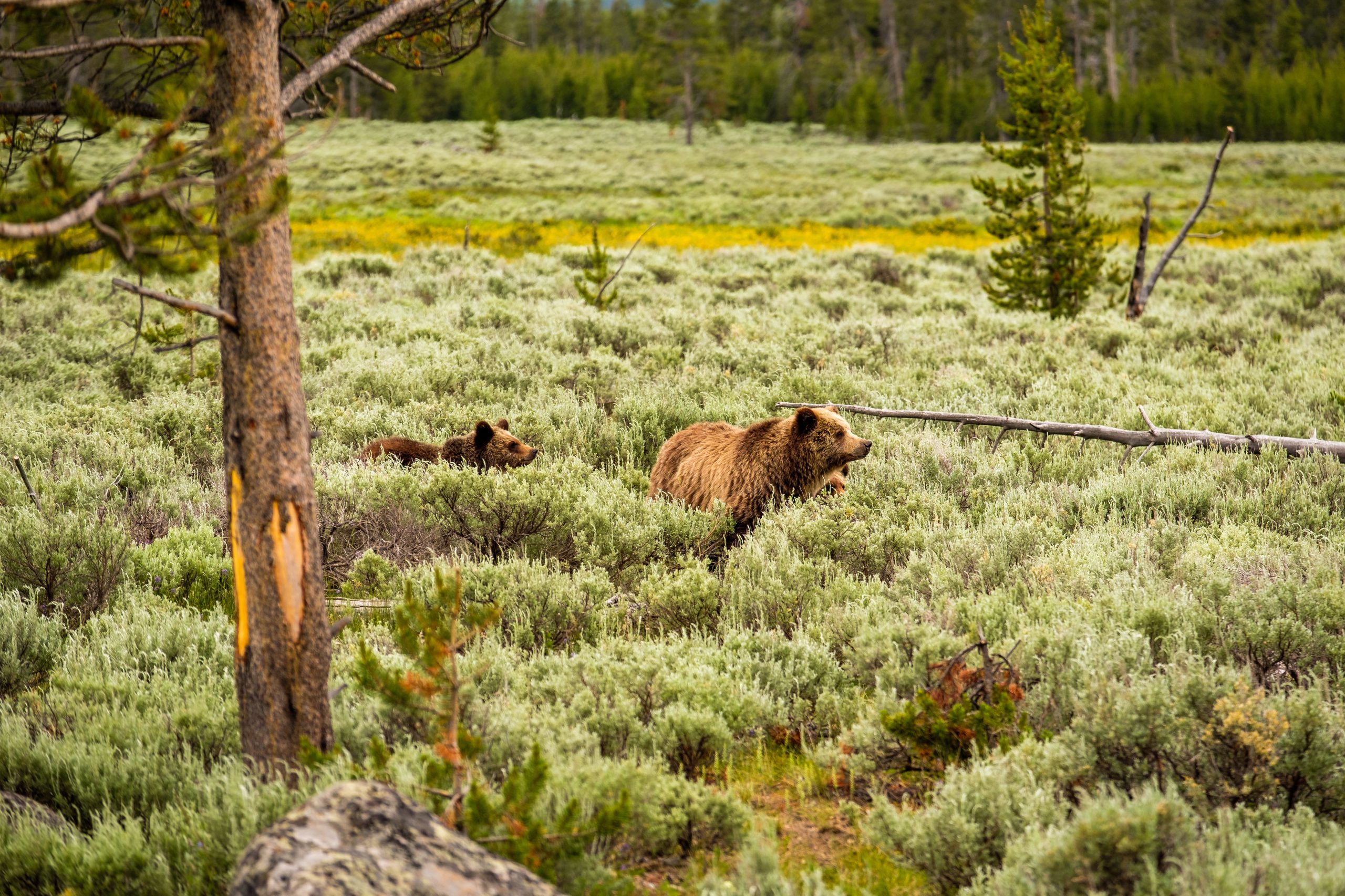
Grizzly Bear There are currently around 400 to 600 grizzlies that inhabit the park. The best time for viewing grizzlies is in the late spring, specifically May and June. Hayden Valley and the area between Dunraven Pass and Tower Junction are the most reliable grizzly viewing areas in the park.
Black Bear Black bears are more commonly spotted within Yellowstone than grizzlies. They are generally smaller and are known for being great food scavengers. Despite their name black bears can range in color from jet black to cinnamon brown, making them easy to confuse with grizzlies at a distance. Look for the absence of a shoulder hump and a straight facial profile to identify a black bear. They are most commonly spotted in forested areas and along roadsides in spring and fall.
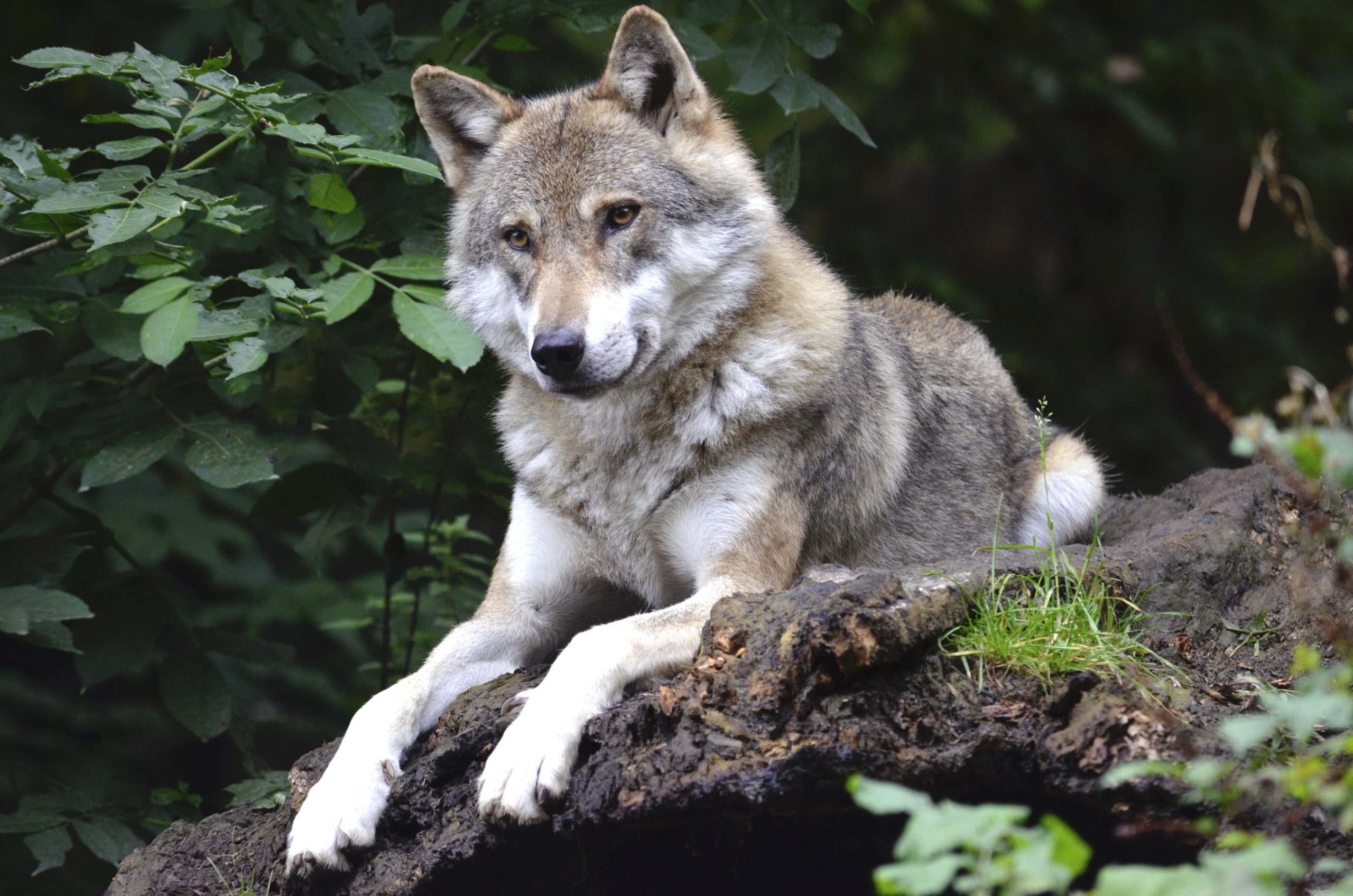
Gray Wolf In 1994 there was not a single wolf in Yellowstone National Park. The park service began a reintroduction program in 1995 and 1996 and today there are roughly 100 wolves that roam the park. Lamar Valley is the best place in the world to observe wild wolves in their natural habitat.
Elk Yellowstone is home to one of the largest elk herds in North America. Resident elk populations can be found lounging around Mammoth Hot Springs throughout the summer and fall. During the fall rut the bugling of bull elk is one of the most unforgettable sounds in the natural world.
Moose The largest member of the deer family is a thrilling and relatively rare sighting in Yellowstone. Look for moose in willow flats, along stream banks, and in forested wetland areas throughout the park. Early morning visits to marshy areas give you the best chance of a moose encounter.
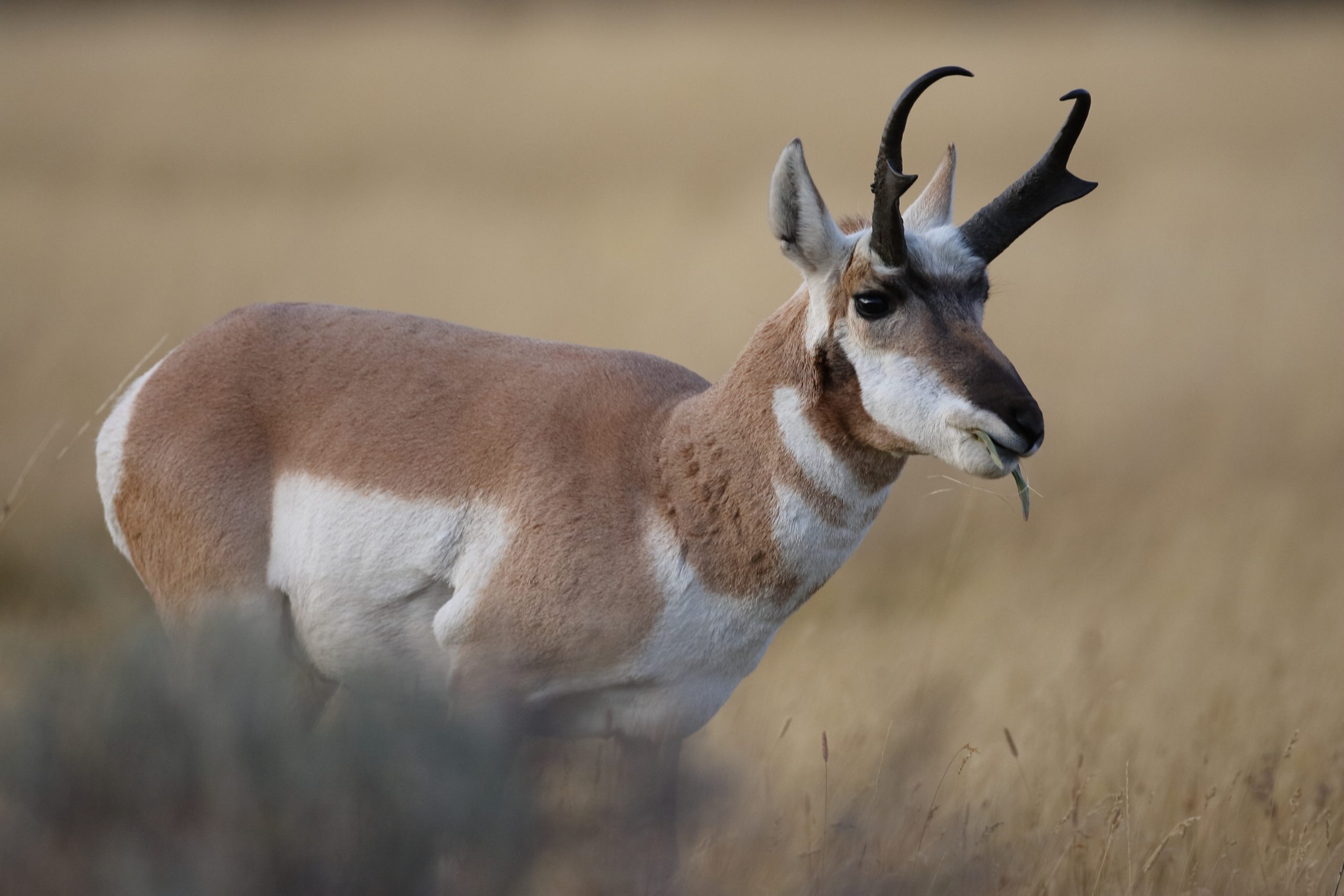
Pronghorn The fastest land animal in North America, pronghorn are commonly spotted in the open sagebrush flats of the northern range and throughout the Wapiti Valley along the North Fork of the Shoshone River — often visible right from the road on your morning drive from Old Faithful RV Park to the East Gate.
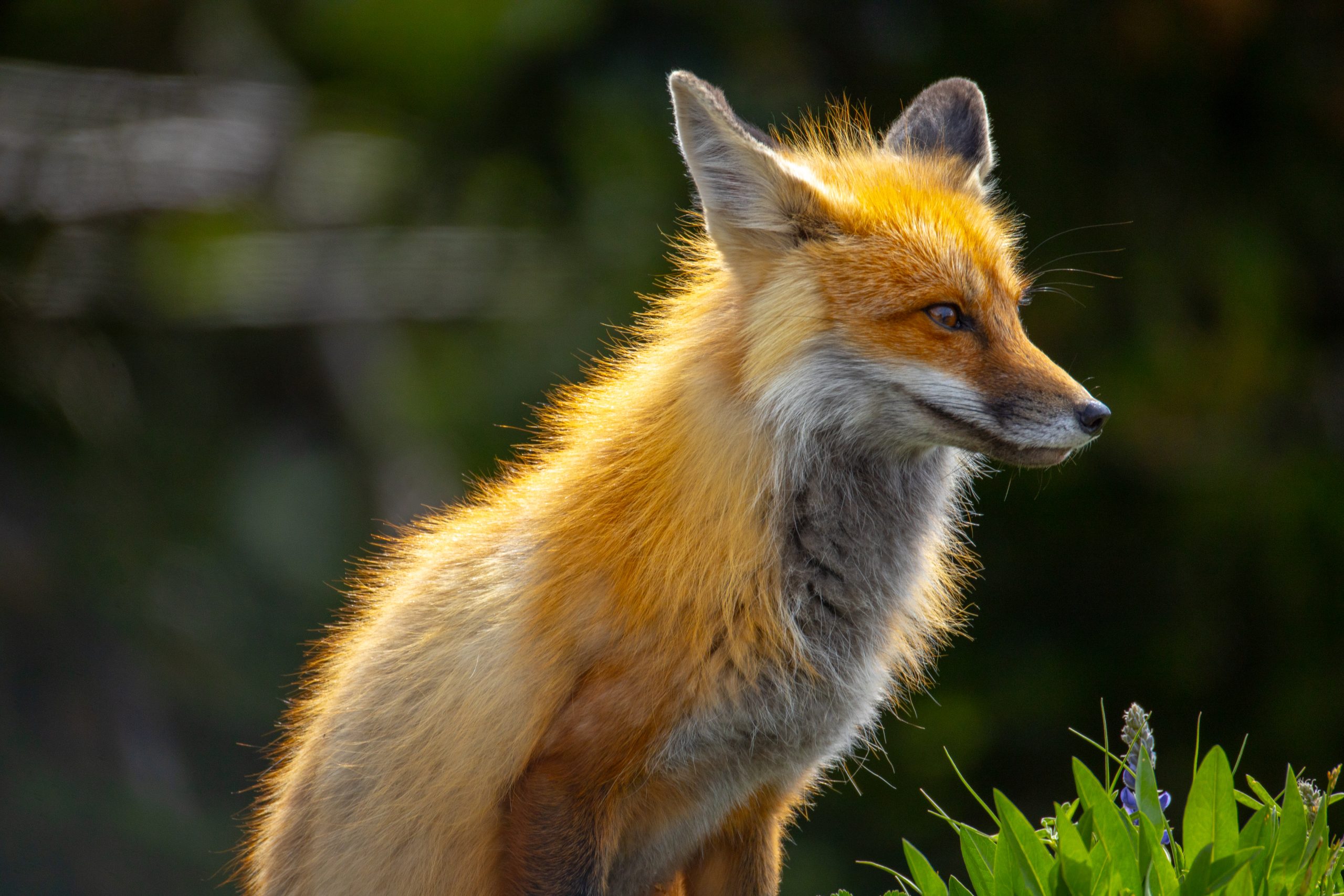
Red Fox The red fox is one of Yellowstone’s most charming and photogenic residents. Smaller and more elusive than wolves and coyotes, foxes are most commonly spotted in open meadows and sagebrush flats hunting for mice and voles. Their vivid red coats make them a stunning photography subject when the light is right. Early morning is the best time to spot a fox actively hunting in the open.
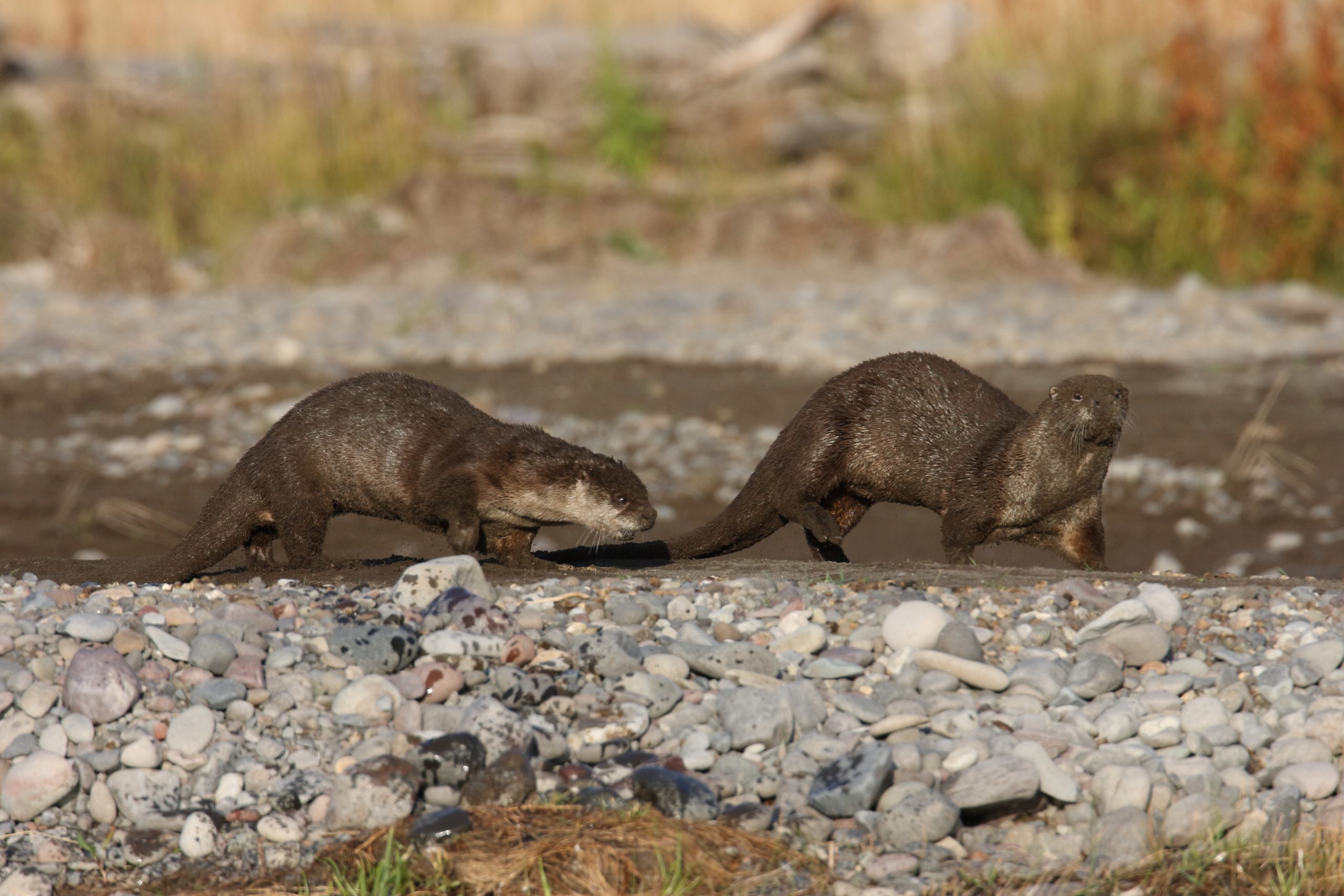
River Otter One of Yellowstone’s most delightful and entertaining wildlife encounters is spotting a river otter. Otters can be seen diving for fish and rolling on the banks along stretches of open water. The Yellowstone River, Lamar River, and Yellowstone Lake shoreline are the most reliable areas to look for otters.
Bring your binoculars and scan the riverbanks patiently — when you find one you will not want to look away. The North Fork of the Shoshone River running right next to our park is also one of the top fly fishing rivers in the northern Rockies — check out our Complete Guide to Fly Fishing the North Fork of the Shoshone River to plan your fishing adventure alongside your wildlife watching trip.
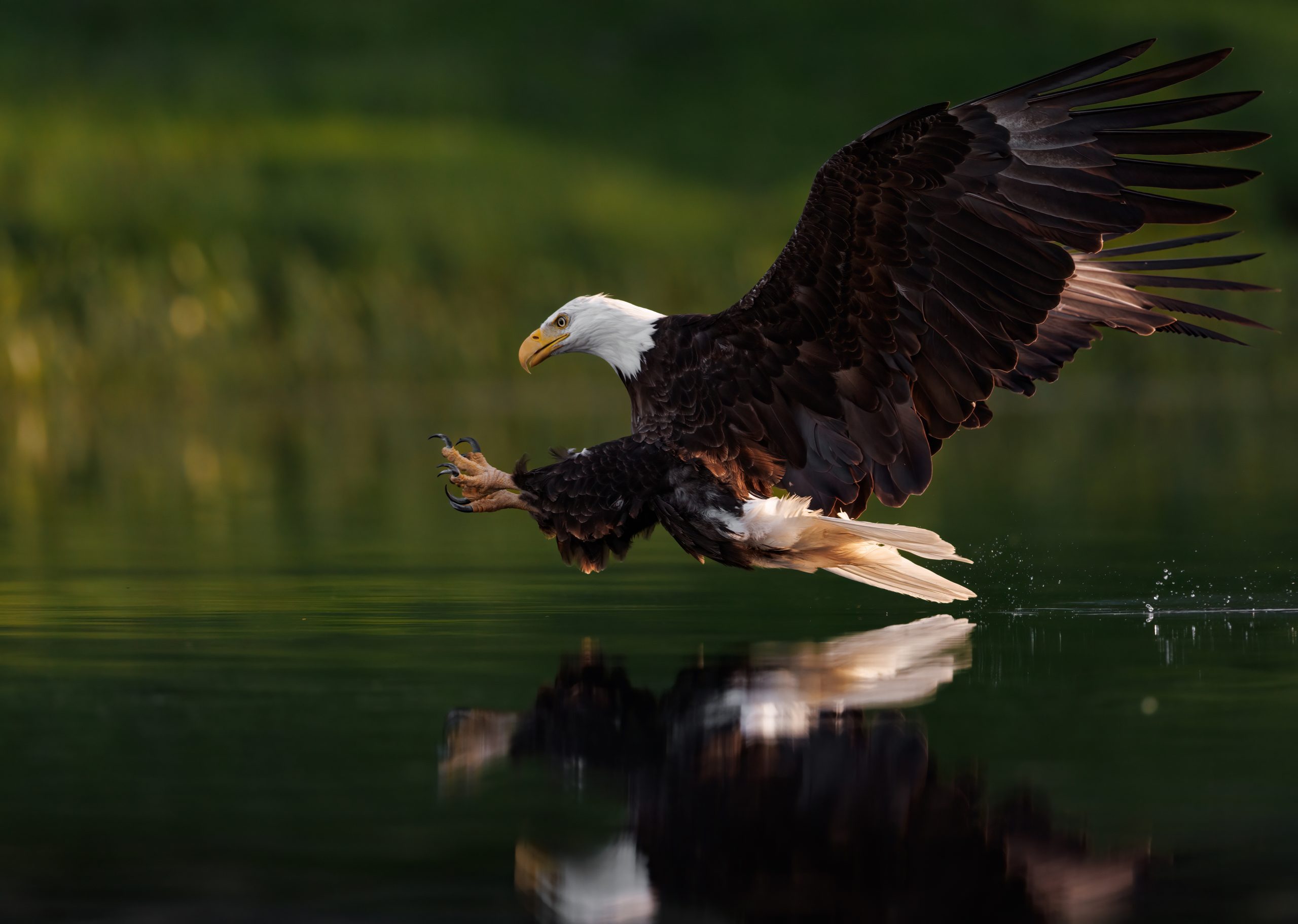
Bald Eagle Yellowstone is home to nearly 300 bird species. The bald eagle is one of the most spectacular and is commonly spotted soaring above Yellowstone Lake, the Yellowstone River, and along the North Fork of the Shoshone River near our park. Osprey, great blue herons, and trumpeter swans are also regular sightings for visiting birders.
Yellowstone’s Harder to Spot Wildlife — The Bucket List Sightings
Yellowstone is home to an extraordinary diversity of wildlife beyond the iconic species above. While the following animals are present in the park they require patience, luck, and sometimes a little local knowledge to find — making a sighting all the more thrilling when it happens.
Beaver — Look for beaver activity at dawn and dusk along slow moving streams and ponds throughout the park. Their distinctive dams and lodges are easier to spot than the animals themselves.
Mountain Lion — One of Yellowstone’s most secretive and elusive residents. Mountain lions are present throughout the park but sightings are extremely rare. Consider yourself extraordinarily lucky if you spot one.
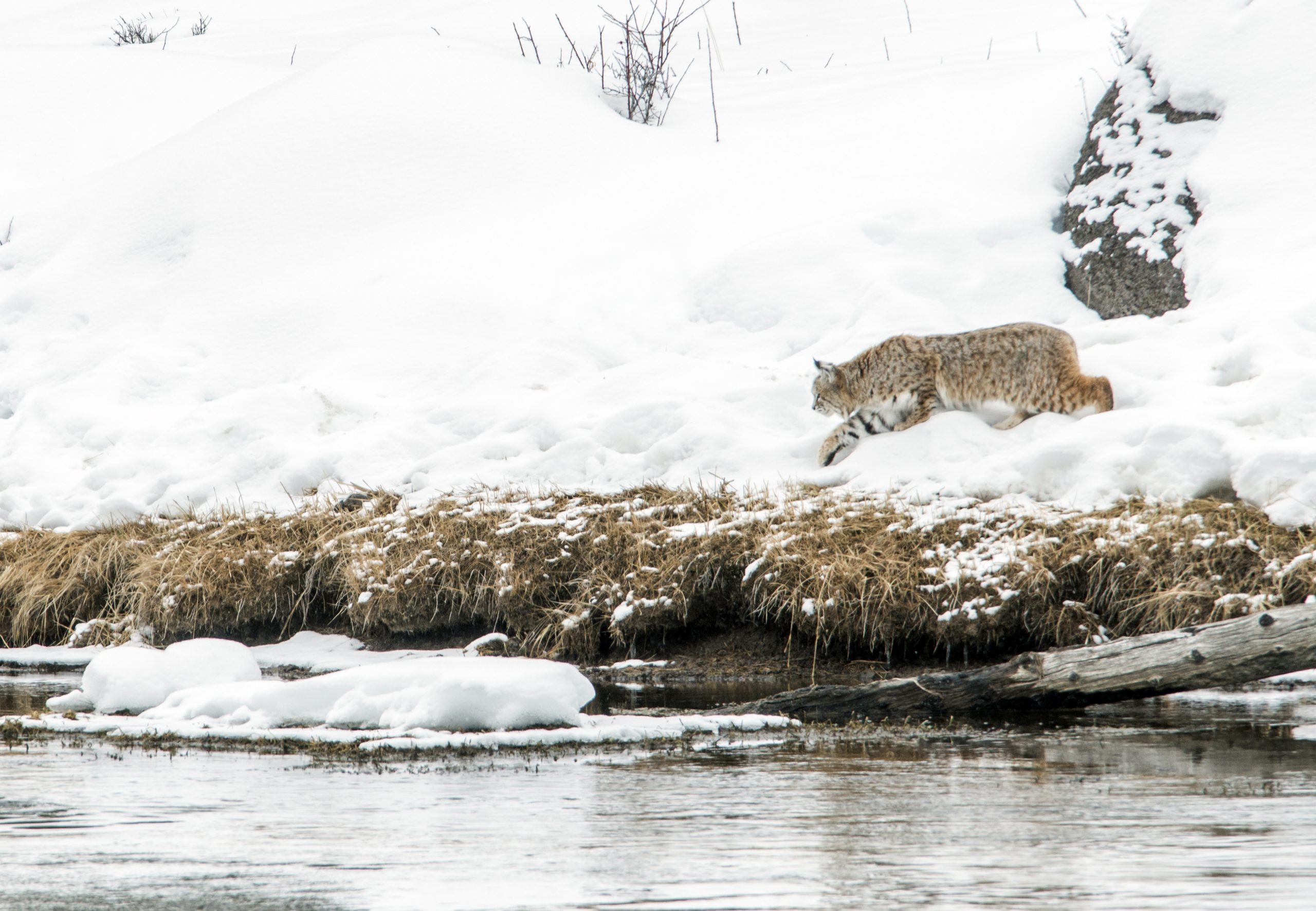
Lynx — The elusive Canada lynx inhabits the dense forested areas of Yellowstone and is one of the most difficult animals in the park to spot.
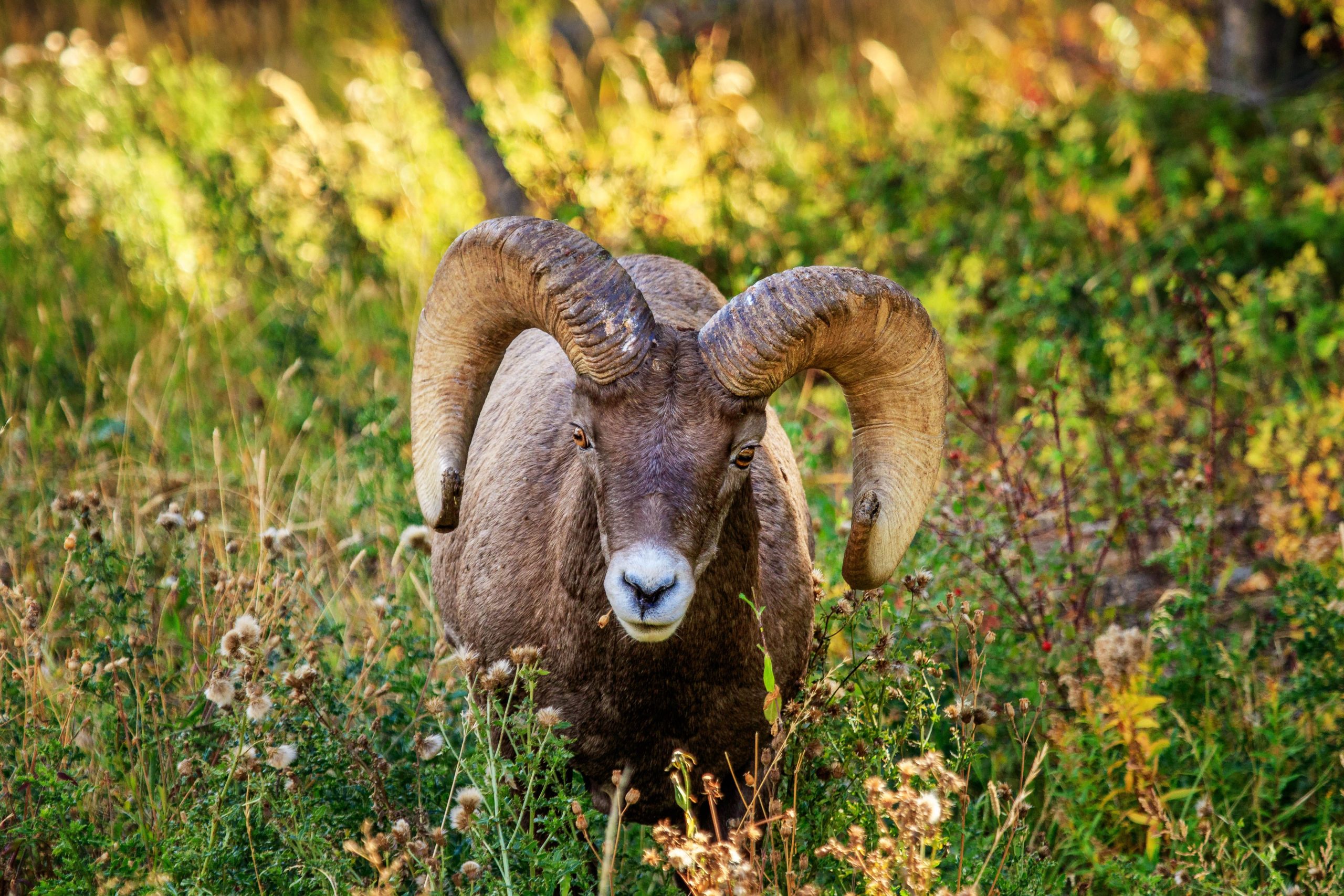
Bighorn Sheep — Commonly spotted along rocky cliff faces and steep terrain, particularly in the areas between Cody and the East Gate along the North Fork of the Shoshone River corridor.
Wolverine — One of the rarest and most sought after sightings in all of Yellowstone. Wolverines inhabit remote high elevation terrain and encounters are extraordinarily uncommon.
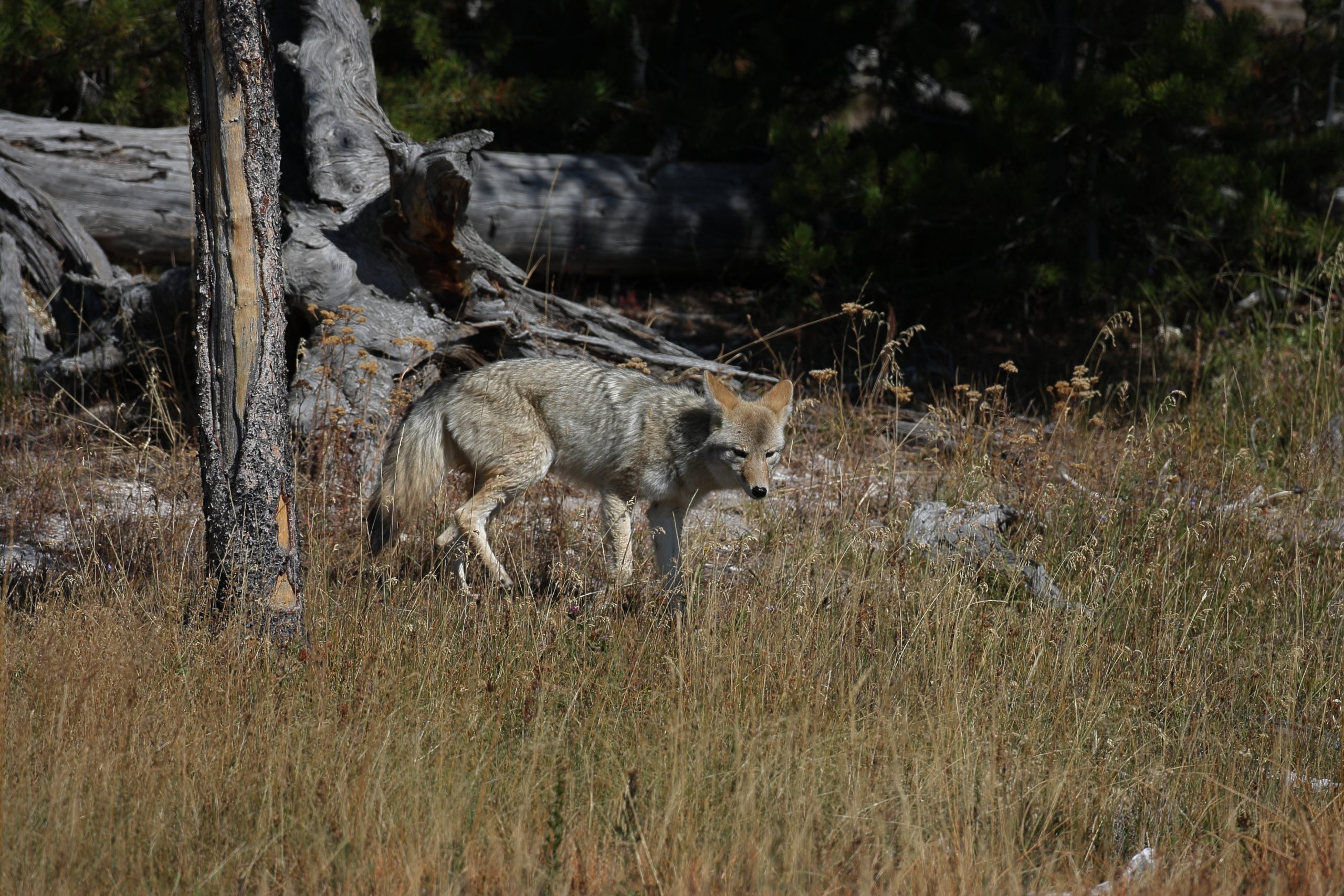
Coyote — Far more commonly spotted than wolves, coyotes are frequently seen hunting in open meadows throughout the park and are often mistaken for wolves by first time visitors.
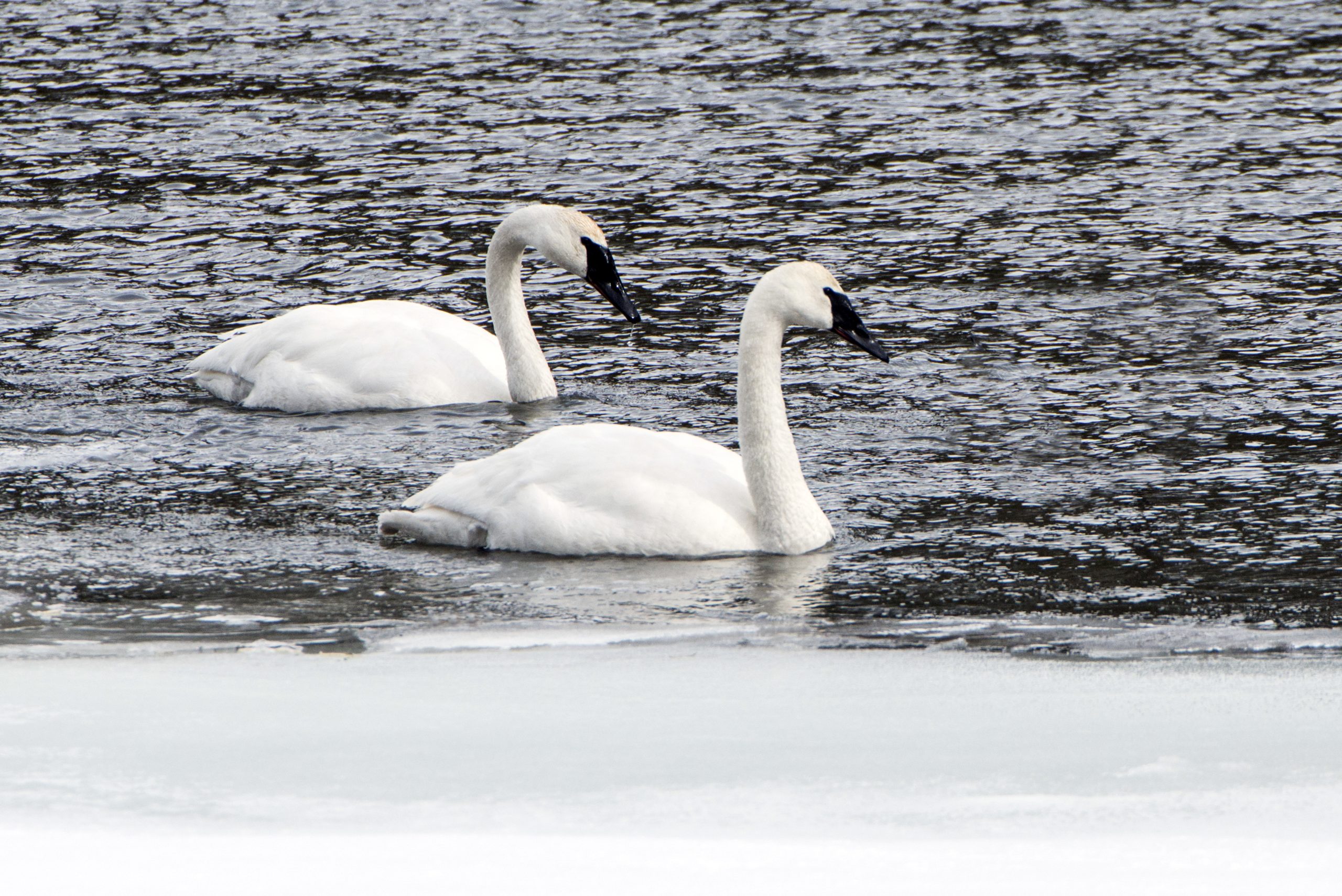
Trumpeter Swan — North America’s largest native waterfowl and a conservation success story, trumpeter swans are regularly spotted on Yellowstone’s lakes and slow moving rivers.
Whether you tick every species off your list or spend a magical morning watching a single bison herd move across a frost covered valley, Yellowstone wildlife watching delivers an experience that simply cannot be replicated anywhere else on earth. Every visit is different. Every season brings something new. And from Old Faithful RV Park you are always just 32 miles from the greatest wildlife show on the planet.
Wildlife Watching Tips for Families with Kids
Yellowstone wildlife watching with children is one of the greatest family travel experiences in the world. Here are a few tips to make it magical for the whole family:
Download the Junior Ranger app — kids can earn their Yellowstone Junior Ranger badge digitally while learning about the park’s wildlife and ecosystem.
Bring a wildlife checklist — give the kids a printed checklist of Yellowstone’s iconic species and let them check off each animal they spot. It turns every drive into an adventure.
Start early — yes, even with kids. The early morning wildlife activity in Yellowstone is worth every bit of the effort to get everyone up and out the door before sunrise.
Pack snacks and patience — wildlife watching requires stillness and patience. Keep the kids fueled, comfortable, and engaged with a good pair of kid-sized binoculars of their own.
Safety first — remind children frequently about wildlife safety distances and never allow them to approach or feed any animal under any circumstances.
Still planning your family trip? Our Complete Yellowstone Road Trip Guide has everything you need to plan an unforgettable family adventure from start to finish.
Your Perfect Yellowstone Wildlife Watching Basecamp
Every great Yellowstone wildlife watching adventure needs a great home base. At Old Faithful RV Park we are proud to be just 32 miles from the East Gate of Yellowstone National Park on the scenic North Fork of the Shoshone River in Cody, Wyoming — putting you closer to Yellowstone Wildlife Watching than almost any other campground in the region.
Wake up early, pour your coffee, and be at the East Gate as it opens. Spend the day exploring Hayden Valley, Lamar Valley, and the incredible wildlife rich corridors of the eastern park. Come back to camp in the evening refreshed, inspired, and ready to do it all over again tomorrow.
Our full hookup RV sites are big rig friendly with stunning Absaroka Mountain views, and our rustic cabins sleep up to 6 guests with everything your family needs for a comfortable stay. After a full day of wildlife watching there is no better feeling than coming back to a comfortable camp on the banks of one of Wyoming’s most beautiful rivers.
📅 Opening early May — book early, summer fills up fast! 👉 Reserve your RV site or cabin at OldFaithfulRVPark.com
Frequently Asked Questions About Yellowstone Wildlife Watching
What is the best time of year for Yellowstone wildlife watching? Spring and fall are the best times to see wildlife in Yellowstone. Spring is excellent for spotting bears and newborn bison calves while fall is prime elk rutting season. September is widely considered the single best month for combining great wildlife watching with fewer crowds and comfortable temperatures.
What time of day is best for Yellowstone wildlife watching? Wildlife is most active at dawn and dusk according to the National Park Service. Plan to be in your chosen viewing area at least 30 minutes before sunrise for the best possible wildlife watching experience.
Where is the best place to see wolves in Yellowstone? Lamar Valley in the northeast section of the park is the premier wolf watching destination in the world. Early morning visits with a spotting scope give you the best chance of locating a pack.
Where is the best place to see grizzly bears in Yellowstone? Hayden Valley and the Dunraven Pass to Tower Junction corridor are the most reliable grizzly bear viewing areas in the park. Spring and early summer are the best times to find bears as they are actively feeding after their winter hibernation.
Is Yellowstone wildlife watching safe for families with kids? Absolutely — with the right preparation and by following all National Park Service guidelines, Yellowstone wildlife watching is one of the safest and most rewarding family travel experiences in the world. Always maintain required distances from all wildlife and carry bear spray any time you leave your vehicle.
Do I need bear spray for Yellowstone wildlife watching? Yes — bear spray is essential gear for anyone exploring the greater Yellowstone region. Read our complete Bear Safety in Yellowstone Country guide before your trip.
Where should I stay for Yellowstone wildlife watching near the East Gate? Old Faithful RV Park in Cody, Wyoming offers full hookup RV sites and rustic cabins just 32 miles from the East Gate of Yellowstone National Park — the perfect basecamp for exploring the wildlife rich eastern section of the park.
How many days do I need for Yellowstone wildlife watching? We recommend a minimum of 3 to 5 days to truly experience Yellowstone’s wildlife. Staying at Old Faithful RV Park allows you to take multiple day trips into the park and explore different wildlife watching areas each day at your own pace.
Rest. Explore. Repeat.