Dark Sky Stargazing
at Old Faithful RV Park | Cody, Wyoming
Do you remember?
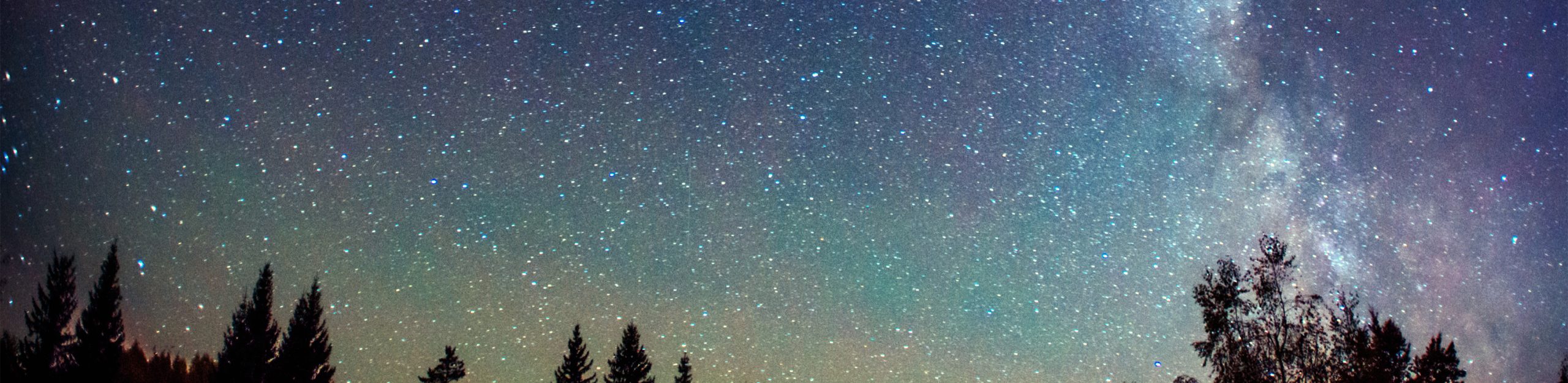
Do you remember the first time you saw the Milky Way stretch across the entire sky?
For many of us, that moment happened during childhood, perhaps at a family camping trip, lying on a blanket while parents pointed out constellations, or sneaking out of the tent to see what the night really looked like away from city lights. That sense of wonder, of feeling simultaneously small and connected to something infinite, stays with us forever.
At Old Faithful RV Park, we're committed to preserving that experience for you and future generations. Located in Cody, Wyoming, just 32 miles from Yellowstone's East Entrance along the North Fork Shoshone River, our park sits in one of the darkest locations in the lower 48 states. Here, the night sky isn't just dark, it's extraordinary. And we've made it our mission to keep it that way.
Why Old Faithful RV Park Has Exceptional Stargazing
If you're not familiar with the Bortle Scale, it's the astronomer's way of measuring light pollution and sky darkness. The scale runs from Class 1 (the darkest skies) to Class 9 (inner-city skies where you can barely see any stars at all).
Old Faithful RV Park sits in a Bortle Class 1 sky, the darkest classification on the scale. On the clearest, darkest nights, we even approach what astronomers informally call "Bortle 0" conditions: skies so pristine they exceed the standard Class 1 designation. These exceptionally dark conditions are found in fewer than 1% of locations in the lower 48 states.
To put this in perspective:
What This Means for You:
In a typical city (Bortle 8-9): You might see 50-100 stars on a clear night. The sky glows orange or gray. Constellations are difficult to identify.
In suburban areas (Bortle 5-6): Maybe 200-500 stars visible. The Milky Way is barely visible or not visible at all.
At Old Faithful RV Park (Bortle 1): You can see 3,000-5,000 stars with the naked eye. The Milky Way is so bright it casts shadows. The zodiacal light is visible. You can see the Andromeda Galaxy without a telescope.
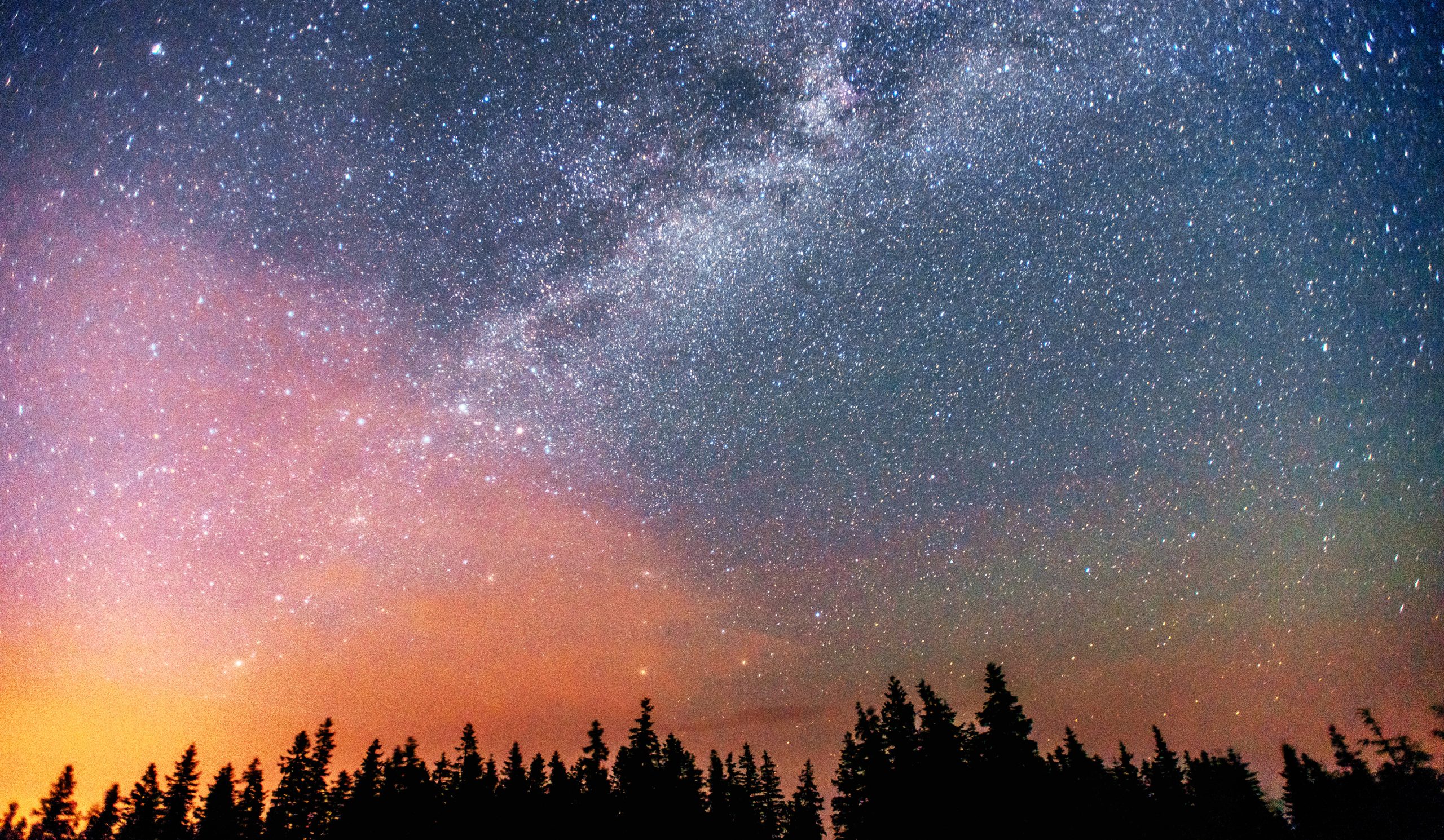
In Bortle 1 skies, the night isn't just dark—it's alive. The Milky Way doesn't appear as a faint smudge; it dominates the sky with intricate detail, cosmic dust lanes, and brilliant star clouds. On moonless nights, you might find yourself needing a moment for your eyes to adjust because there's so much starlight.
This level of darkness is increasingly rare. According to research, 80% of Americans can no longer see the Milky Way from where they live. Light pollution is growing at roughly 2% per year globally. What we have here at Old Faithful RV Park is precious, and we're committed to protecting it.
What You Can See In Our Dark Skies
The Milky Way
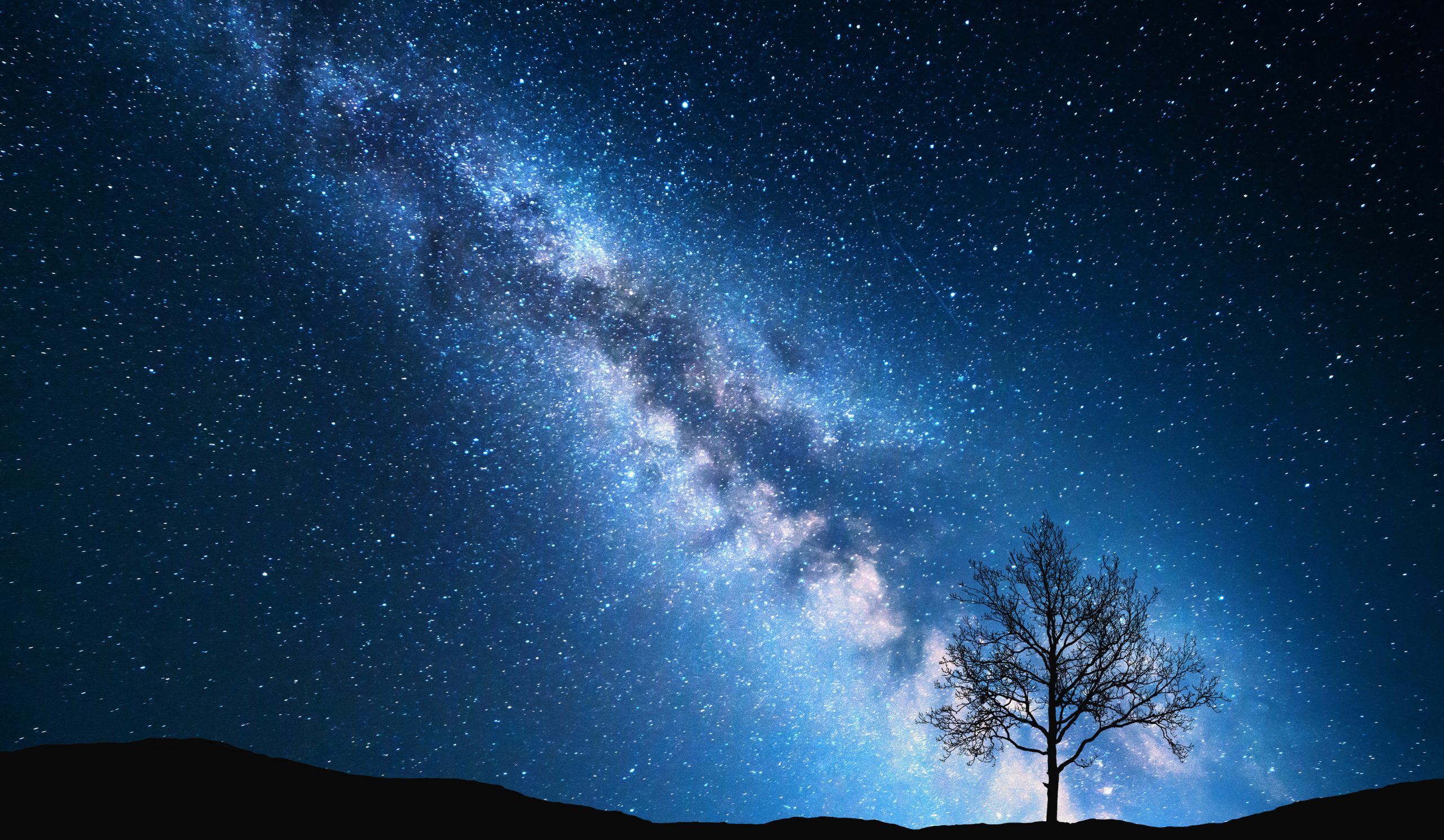
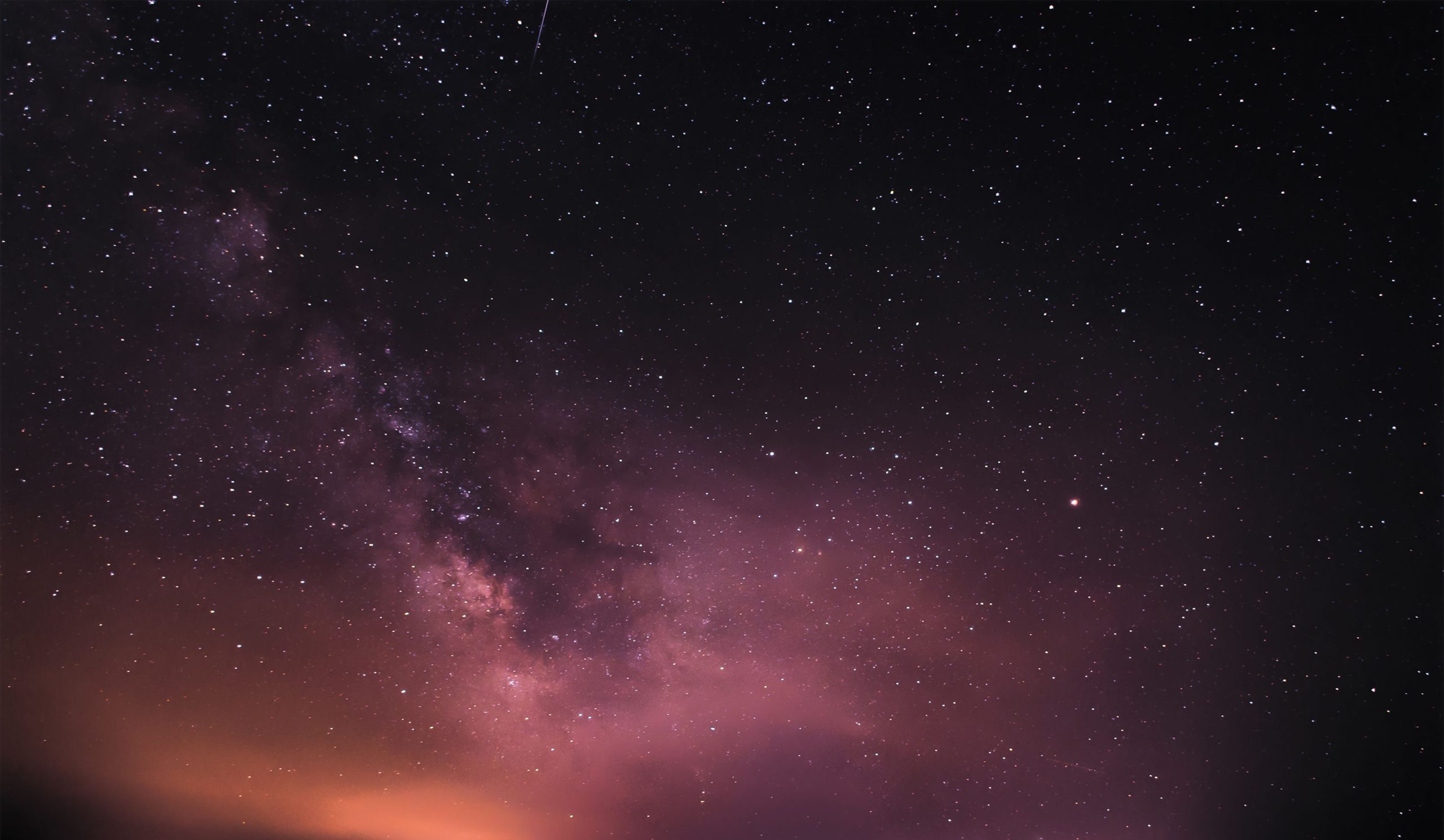
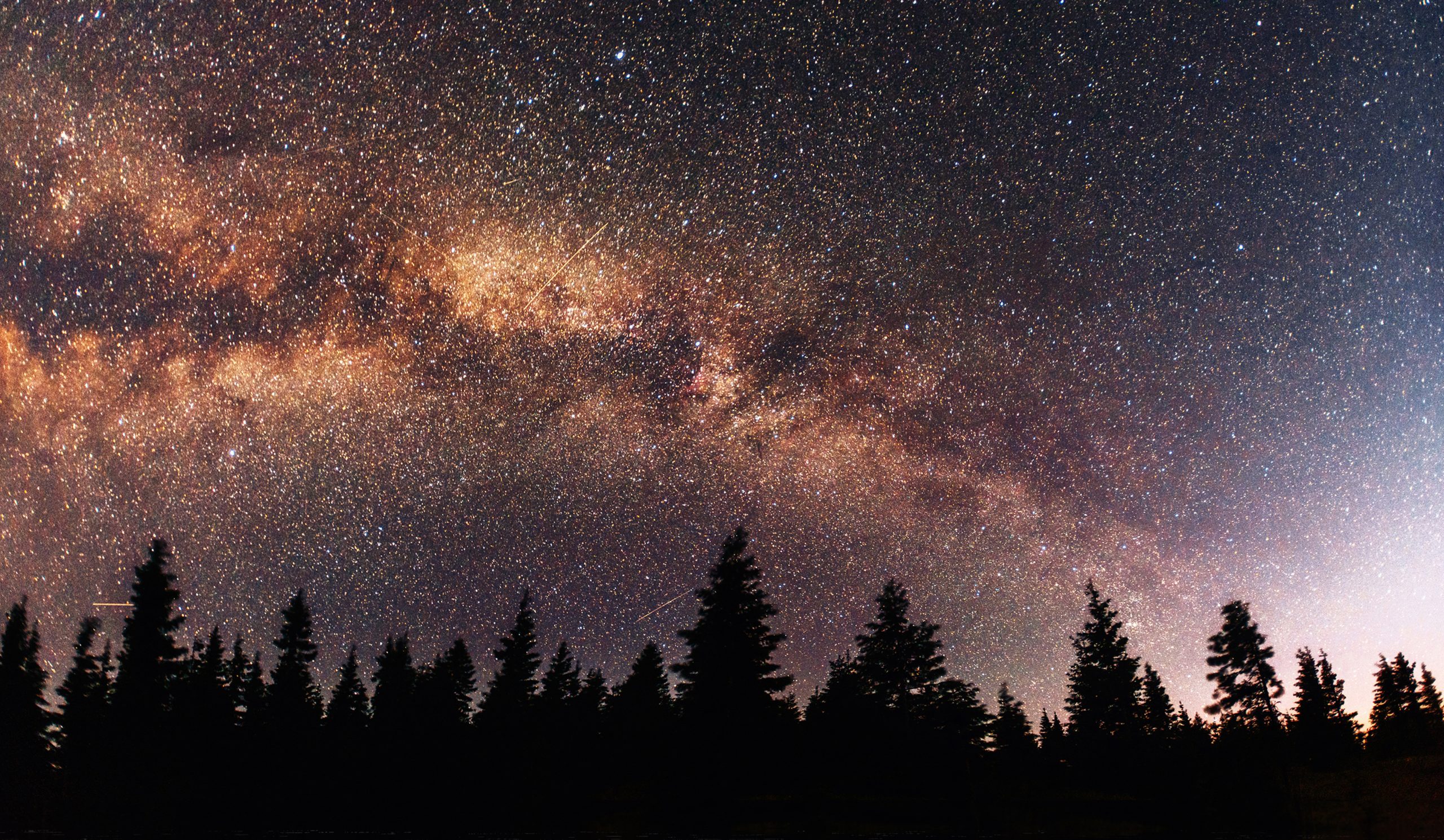
Our galaxy appears as a bright, detailed river of light stretching from horizon to horizon. You'll see the dark dust lanes, the bright galactic core rising in the south, and countless star clusters with your naked eye. On the darkest nights, the Milky Way is bright enough to cast faint shadows.
Best viewing: Late June through early September, 1-2 hours after sunset, looking south.
Planets
Without light pollution, planets appear startlingly bright and colorful:
Jupiter: Appears cream-colored; with binoculars you can see its four largest moons
Saturn: Golden-hued; visible spring through fall
Mars: Distinctly orange-red when visible
Venus: Brilliant "evening star" or "morning star" depending on season
Download a stargazing app (SkyView, Star Walk 2, SkySafari) to know which planets are visible during your stay.
Meteor Showers
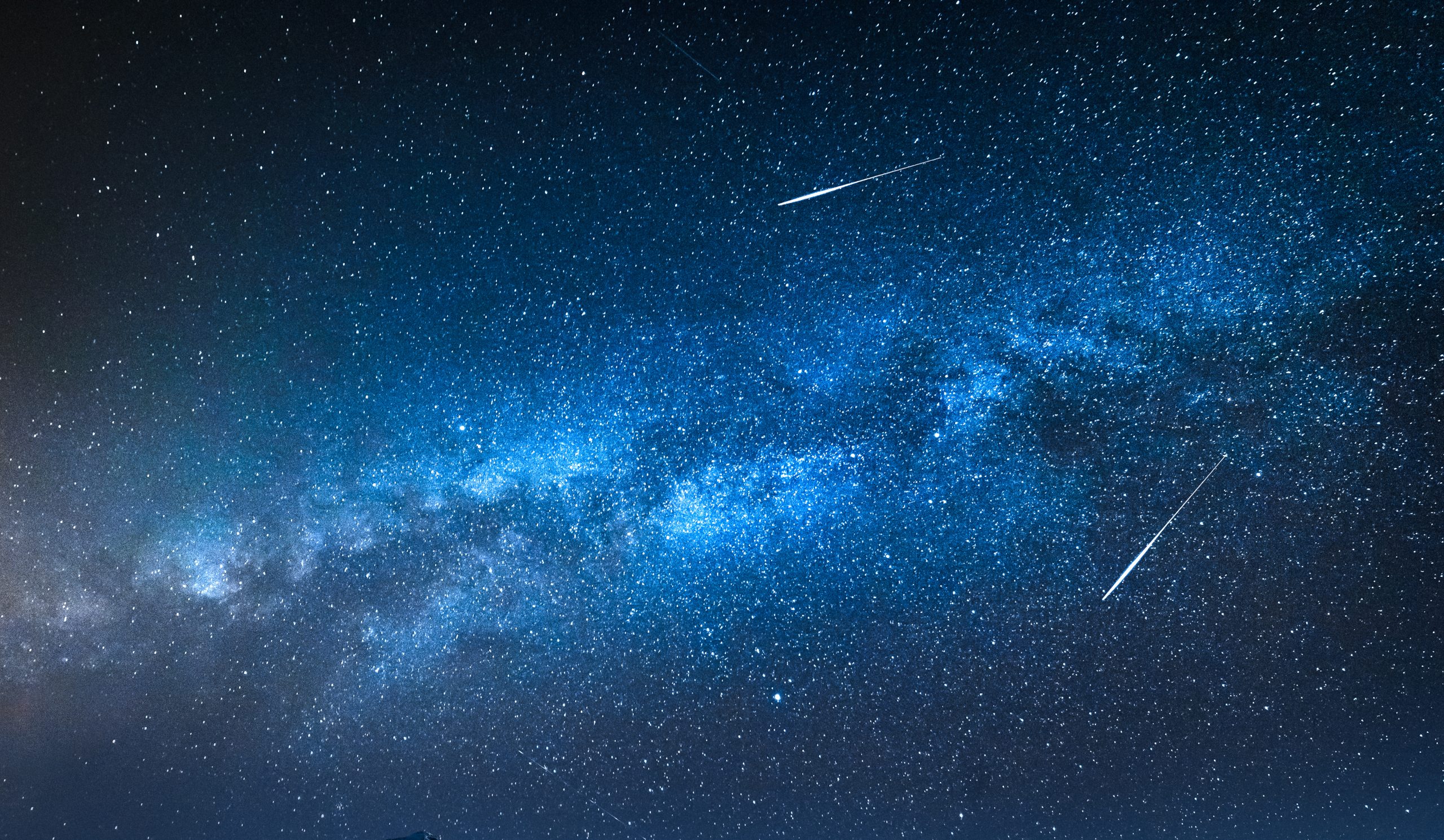
In dark skies, meteor showers are spectacular. You might see 50-100+ meteors per hour during peak showers:
Perseids: August 11-12 (best summer shower)
Eta Aquarids: May 5-6 On any given night, even without a meteor shower, you'll typically see 5-10 "shooting stars" per hour in our dark skies.
Deep Sky Objects You Can See With Your Naked Eye
In Bortle 1 skies, you don't need a telescope to see distant galaxies and nebulae:
Andromeda Galaxy (M31): Our nearest galactic neighbor, 2.5 million light-years away, visible as a faint oval smudge
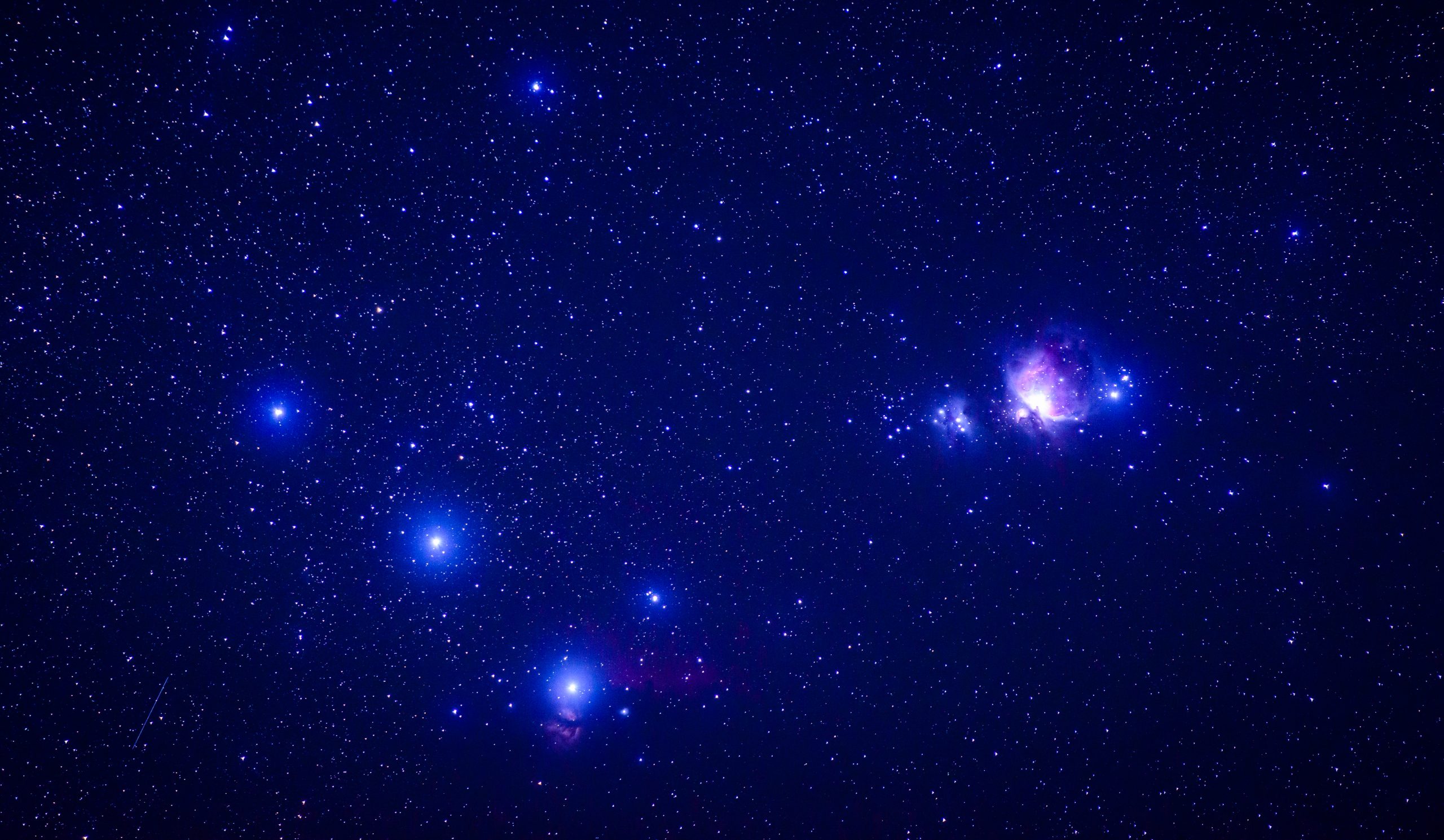
Orion Nebula (M42): A stellar nursery where new stars are being born, appears as a fuzzy "star" in Orion's sword
Pleiades (Seven Sisters): Stunning star cluster easily visible to the naked eye
Double Cluster in Perseus: Two spectacular open star clusters side by side
The Zodiacal Light & Gegenschein (Rare Phenomena)
These subtle glows are only visible in the darkest skies on Earth:
Zodiacal Light: A faint, triangular glow visible along the ecliptic before dawn or after dusk, it's actually sunlight reflecting off cosmic dust in our solar system
Gegenschein: A faint oval glow directly opposite the sun in the night sky, even more subtle than zodiacal light If you see either of these during your stay, you're witnessing something most people will never see in their lifetime.
Our Dark Sky Commitment
Our Dark Sky-Friendly Policies (And Why They Matter)
Preserving dark skies requires a community effort. These policies help protect the incredible night sky you came here to experience, and ensure future generations can experience it too. Here's what we ask of all our guests, and why each guideline matters.
Outdoor Lighting Guidelines
POLICY: All outdoor lights (except for safety lighting) should be turned off by 10:00 PM
Why this matters: Every unnecessary light creates sky glow that reduces the number of stars visible. Even small lights can ruin night vision for everyone within 100+ feet. By turning off decorative lights at 10 PM, we preserve the late-night stargazing hours when the sky is darkest.
POLICY: RV porch lights and awning lights should be motion-activated or turned off when not actively needed
Why this matters: Porch lights are often the brightest lights in the park. When left on all night, they create localized light pollution that affects not just your site but your neighbors' ability to see the stars. Motion-activation means you still have light when you need it, but darkness when you don't.
POLICY: Please close curtains/blinds after dark to minimize light escape from RV and cabin interiors
Why this matters: Light streaming through RV windows can be surprisingly bright in dark environments. A single uncovered window can illuminate a 50-foot radius. Closing curtains also helps you sleep better and makes the stars more visible from inside your RV!
POLICY: Use red flashlights or red-light mode on headlamps when moving around the park after dark
Why this matters: Red light preserves your night vision. Your eyes need 20-30 minutes to fully adapt to darkness to see faint stars and the Milky Way's details. One flash of white light resets that process. Red light allows you to see where you're walking without ruining your (or your neighbors') night vision. It's also less disruptive to wildlife.
POLICY: No high-intensity spotlights or floodlights permitted after 10:00 PM
Why this matters: Bright spotlights can temporarily blind people who've spent time adjusting to darkness and can affect the night vision of everyone in a large area. They're also startling to wildlife.
POLICY: Downward-facing lights only, lights that shine horizontally or straight up are not permitted
Why this matters: Upward-facing lights contribute directly to sky glow—the brightening of the night sky from artificial light. Every photon that goes up instead of down is wasted energy that makes stars harder to see. Downward-facing lights put light where it's needed (on the ground) instead of where it's not (in the sky).
POLICY: No cool/blue-white LED lights, warm-colored lights only
Why this matters: Blue-white light scatters more in the atmosphere than warm light, creating more sky glow. It's also more disruptive to human circadian rhythms and wildlife behavior. Warm amber lights (2700K or lower) minimize sky glow and are gentler on eyes adjusted to darkness.
POLICY: No landscape or decorative lighting after 10:00 PM
Why this matters: Decorative lighting is beautiful, but in dark sky areas, the natural night sky is the real decoration. After 10 PM, we ask guests to turn off decorative lights so everyone can enjoy the spectacular stars overhead.
Vehicle Headlight Policy
POLICY: Turn off vehicle headlights when parked; use parking lights only if needed
Why this matters: Headlights are incredibly bright and can temporarily blind people who've dark-adapted. When you arrive at your site, turn off your headlights immediately.
POLICY: No high beams/brights when driving around the campground after dark
Why this matters: High beams in a dark environment are blinding to other drivers, pedestrians, and anyone trying to stargaze. Low beams provide plenty of light on our roads while being respectful to others.
What We're Doing
We practice what we preach. All park lighting at Old Faithful RV Park is:
✓ Fully shielded and downward-facing (zero upward light)
✓ Warm-colored (amber/yellow, not blue-white)
✓ Motion-activated where possible (lights only when needed)
✓ Minimal wattage (only as bright as needed for safety)
Stargazing Tips
How to Make the Most of Your Stargazing Experience
Give Your Eyes Time to Adjust
Your eyes need 20-30 minutes to fully adapt to darkness. The longer you spend in the dark, the more stars you'll see. After 30 minutes, you might see 3-4 times as many stars as you did when you first stepped outside.
Tip: Avoid looking at your phone, as even a quick glance at a bright screen resets your night vision. Use red screen filters or night mode if you must check something.
Best Viewing Times
Moonless nights are best for seeing the Milky Way and faint objects. Check the moon phase before your visit:
- New moon ± 3 days: Best stargazing
- First/Last quarter: Good stargazing after moonset/before moonrise
- Full moon ± 3 days: Bright but beautiful; planets and bright stars still visible
Time of night:
- 1-2 hours after sunset: Zodiacal light visible (spring/fall)
- 10 PM - 2 AM: Best Milky Way viewing (summer)
- 2-5 AM: Darkest hours; most meteors; winter Milky Way rises
Best seasons:
- Summer (June-August): Milky Way core visible, warm nights
- Fall (September-November): Dark skies return earlier, crisp air
- Winter (December-February): Longest nights, Orion nebula prominent
- Spring (March-May): Galaxy season, comfortable temperatures
What To Bring
- Reclining camp chair or blanket: Stargazing is hard on the neck; lie back!
- Binoculars: Even cheap ones reveal Jupiter's moons, star clusters, nebulae
- Warm layers: Even summer nights get cool at 5,000+ feet elevation
- Red flashlight: Free loaners at office, or use your phone with red filter
- Stargazing app: SkyView, Star Walk 2, or SkySafari (download before arrival—WiFi is limited)
- Hot beverage: Coffee, tea, or cocoa makes cold nights more enjoyable
- Patience: The longer you stay out, the more you'll see
Recommended Stargazing Apps
For beginners:
- SkyView (iOS/Android) - Point your phone at the sky, see what you're looking at
- Star Walk 2 (iOS/Android) - Beautiful interface, easy to use
- For intermediate/advanced: SkySafari (iOS/Android) - Comprehensive star charts, telescope control
- PhotoPills (iOS/Android) - Plan Milky Way photography, sunset/sunrise times
- Clear Outside (web) - Hour-by-hour cloud cover and seeing conditions forecast
Experience Dark Skies at Old Faithful RV Park
Ready to see the Milky Way from your RV or cabin?
Old Faithful RV Park offers the perfect combination: exceptional dark skies, comfortable accommodations, and easy access to Yellowstone National Park. Whether you're an experienced astronomer or seeing real darkness for the first time, our Bortle 1 skies will leave you in awe.
Call us: (307) 250-1934
Email: OldFaithfulRVPark@gmail.com
Questions about stargazing during your stay?
We're happy to help you plan the best nights for viewing, recommend equipment, or more.